Natural Creation - Symphony of Ice and Light
The natural landscape of Dagu Glacier is a visual feast about purity, color, and grandeur.
Pure Ice: The Time Capsule of the Planet
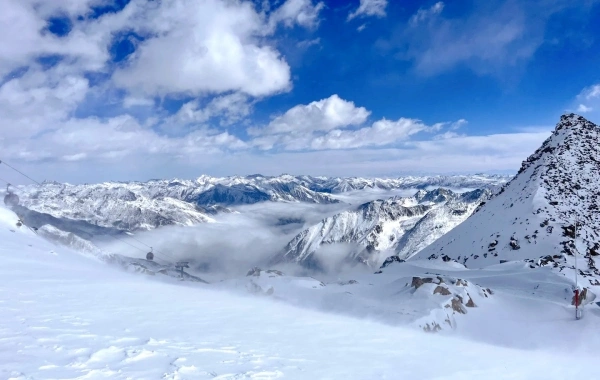
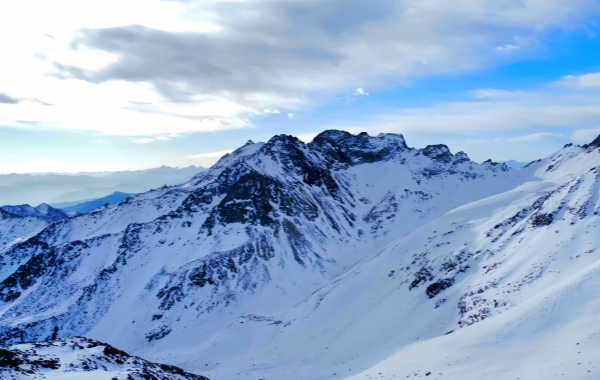
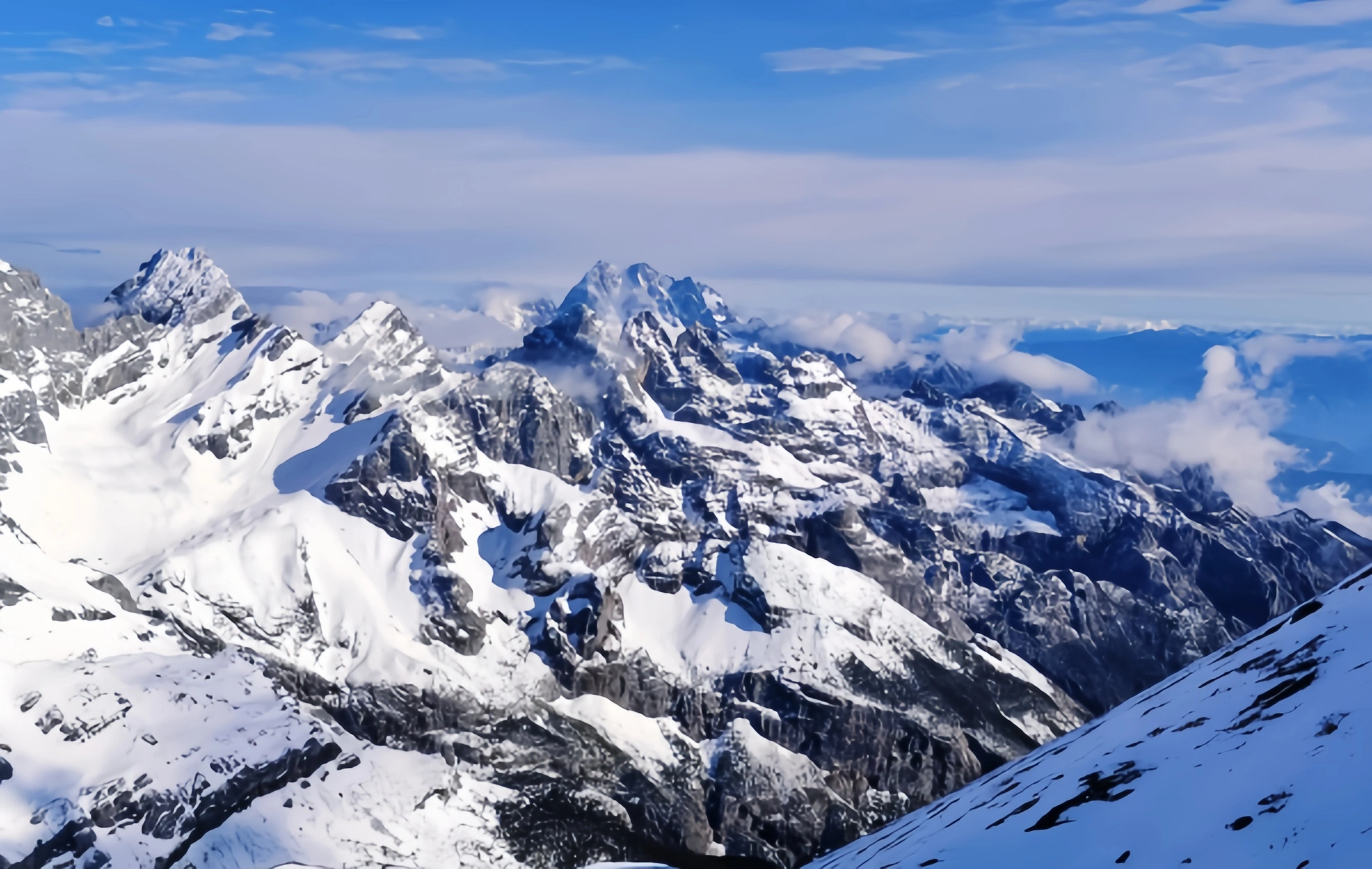
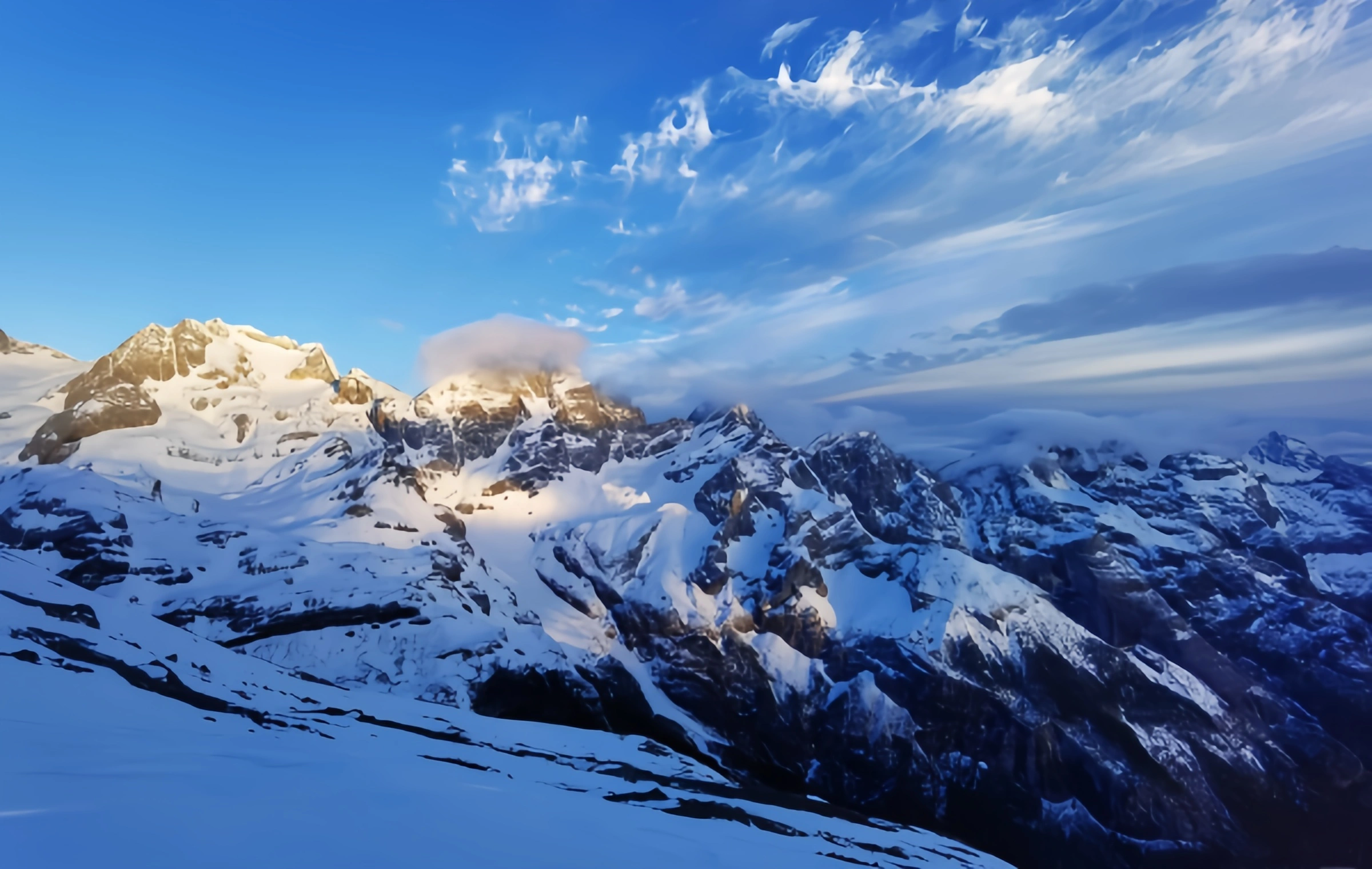
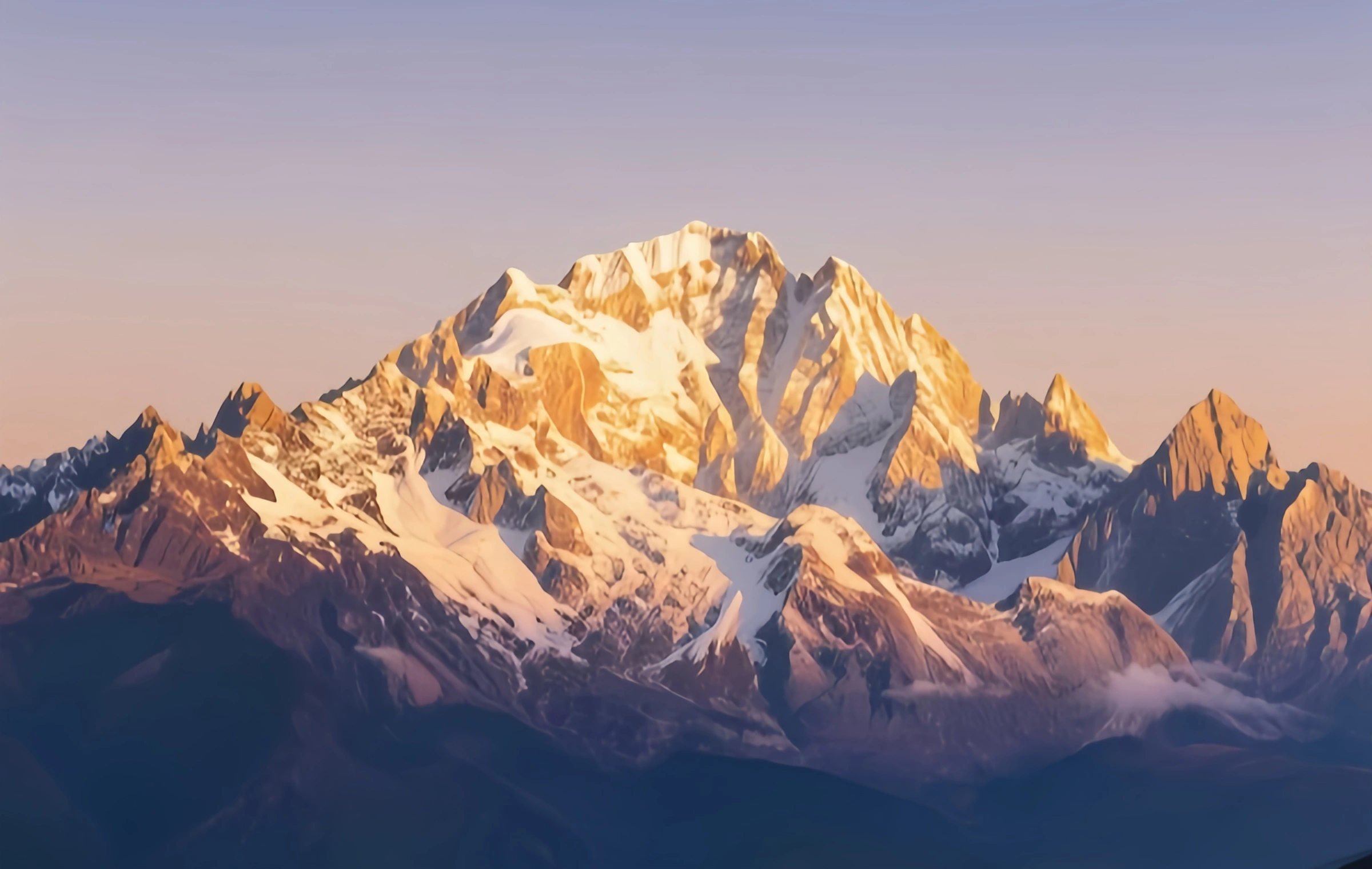
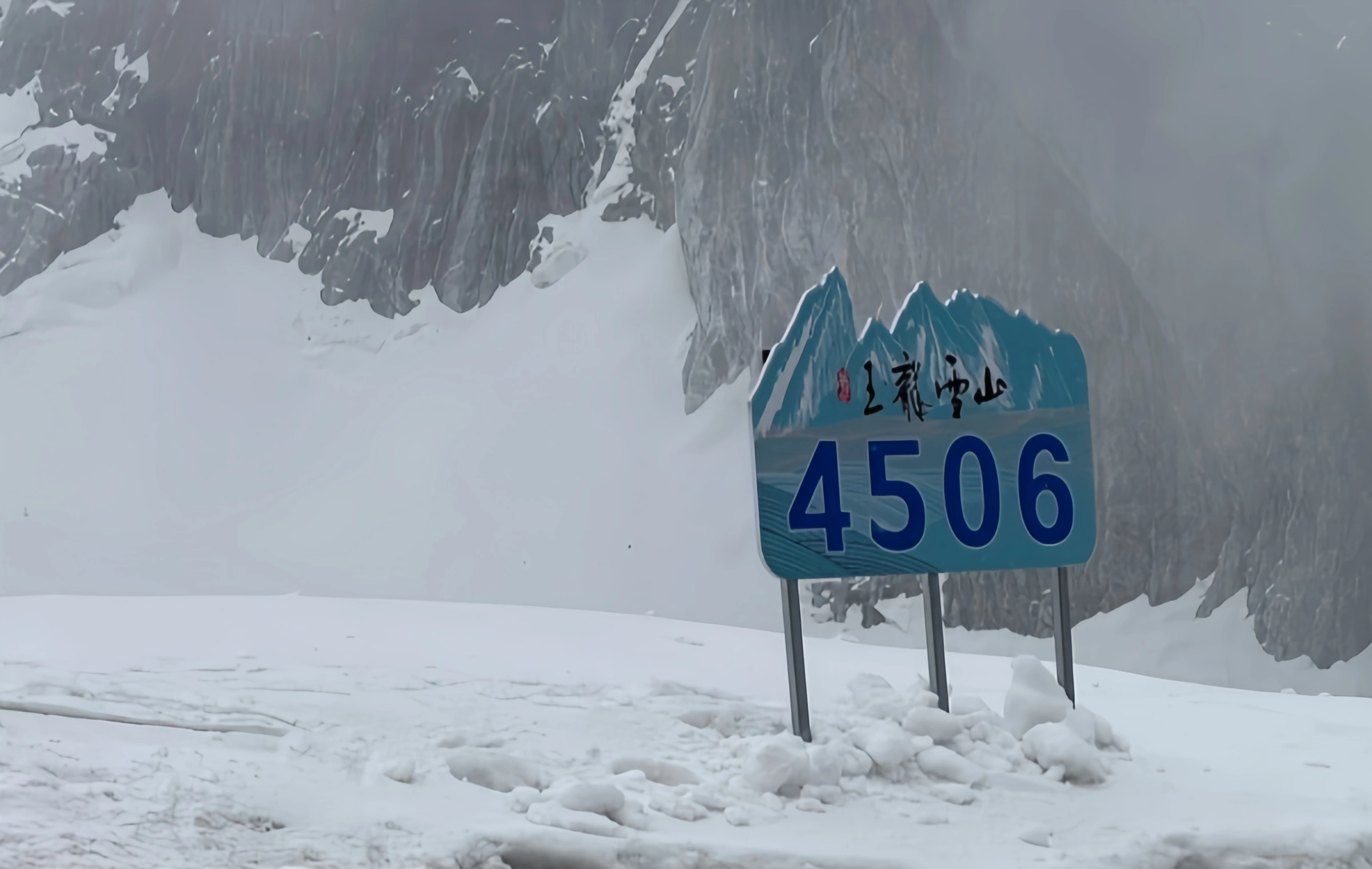
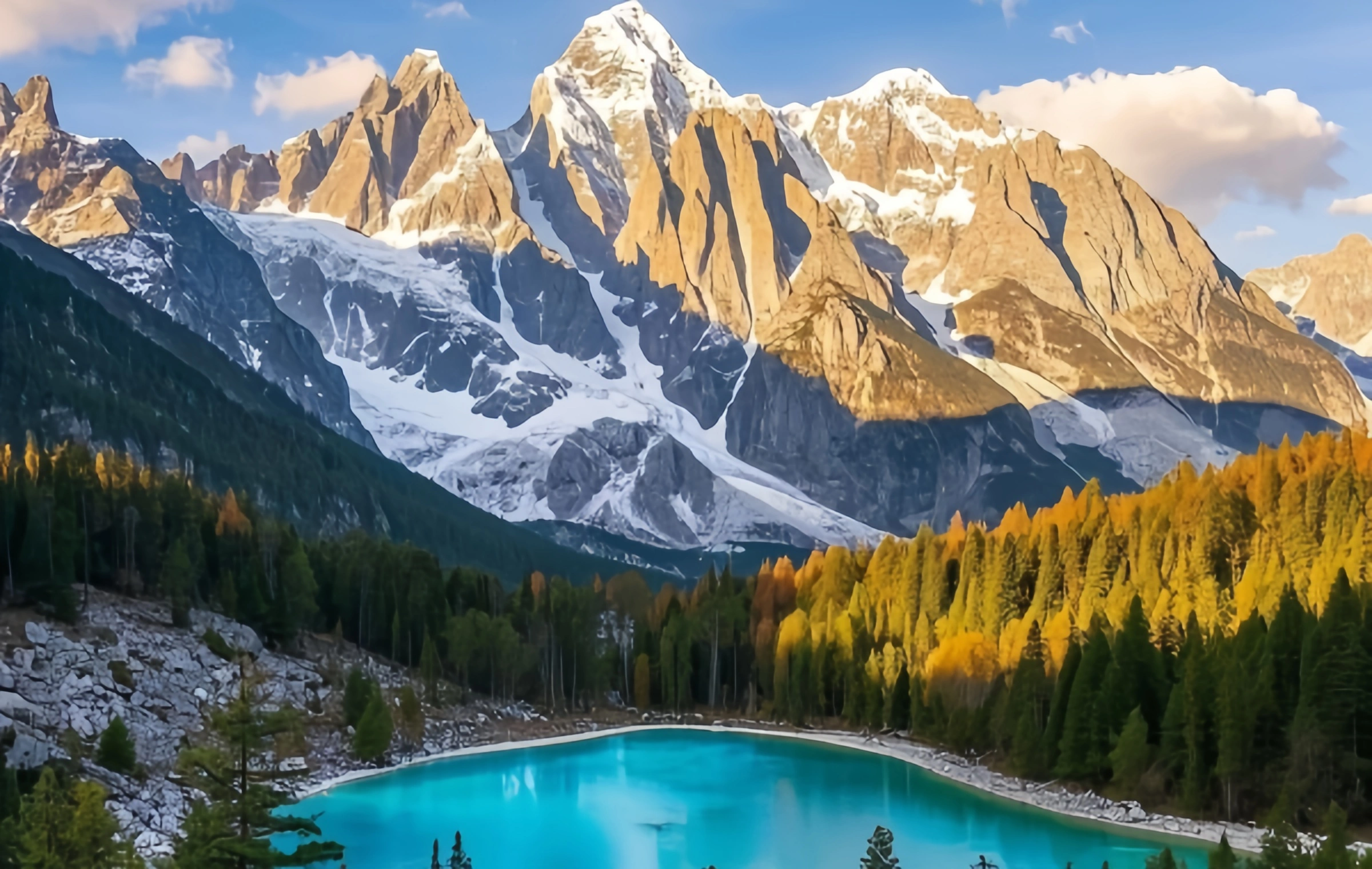
Glacier Observation Deck: This is the pinnacle of the journey. Standing on the observation deck, before my eyes are the undulating white ice fields, with huge ice tongues seemingly pouring down from the sky. The surface of the glacier is covered with deep ice fissures and mysterious glacial lakes, shimmering with a faint blue light in the sunlight. This is one of the few glacier hinterlands in the world that ordinary tourists can easily reach, with every step stepping on a million years of history.
Dongcuo Riyuehai: a high mountain lake embedded at the foot of a glacier. The lake changes colors such as milky white, emerald green, and deep blue with the seasons and light, and is said to be a precious mirror for fairies to dress up. In summer, wildflowers surround the lake; In winter, the lake freezes over and blends seamlessly with the glaciers, creating a serene and heavenly atmosphere.
Glacier U-shaped valley: a typical glacial erosion landform, with steep and smooth rock walls on both sides of the wide valley, recording the enormous transport and erosion power of ancient glaciers, and serving as a natural classroom for learning geological knowledge.
Brilliant Colors: A Color palette for the changing seasons
The world's most beautiful colorful forest: under the Dagu Glacier Mountain, there is the largest and most colorful forest in Asia. Every year from the end of September to the beginning of November, the 80 mile gallery stretches from the valley bottom to the mountain top, interweaving dozens of colors such as goose yellow, dark green, crimson, and brown brown, forming a magnificent oil painting with the snow-white mountaintop and the deep blue sky, known as the "photographer's paradise".
High Mountain Rhododendron Sea: From May to June, from an altitude of 2000 meters to over 4000 meters, different varieties of rhododendrons bloom one after another, ranging from delicate pink to intense purple, decorating the majestic mountains into romantic gardens.
Brilliant Starry Sky: Due to its high altitude and thin and pure air, this is one of the top night sky observation sites in China. After nightfall, the Milky Way is like practice, and the stars are within reach, making it a holy land for astrophotography and stargazing meditators.
Humanistic Charm - Hymn of Life in the Foothills
At the foot of the glacier lies the thriving Tibetan and Qiang civilization, injecting a warm soul into this polar landscape.
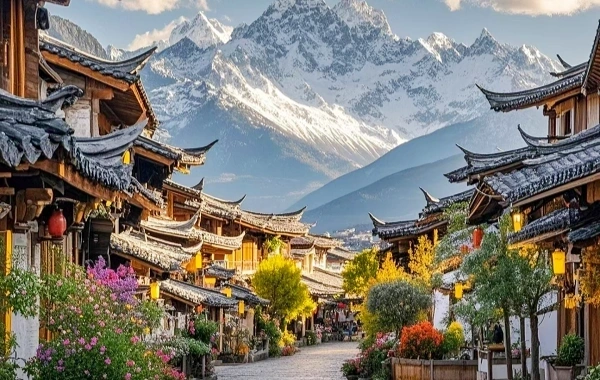
Tibetan Qiang ancient villages: scattered deep in the colorful forests, like a paradise on earth. The unique stone and wood structure residential houses, brightly colored window lattice murals, fluttering prayer flags, and towering white pagodas constitute a rich Ando Tibetan style. Visitors can go into Tibetan homes, taste buttered tea, tsamba, and listen to ancient legends.
Loges Mountain Hiking Area: This is a pilgrimage route full of religious and cultural atmosphere. Along the way, prayer flags are used for hunting, and Mani piles stand tall. The final destination is the sacred Mount Loges, which is devoutly worshipped by local Tibetan compatriots. Hiking here not only allows you to appreciate forests, waterfalls, and meadows, but also to feel the peaceful power of harmonious coexistence between humans and nature, and between humans and faith.
Red cultural memory: Heishui County was an important area passed by the Red Army during the Long March, and many red relics are preserved near the Dagu Glacier. This rich history, along with magnificent natural scenery and unique ethnic culture, together constitute the profound connotation of this land.
Photography tips:
The best glacier panoramic camera position is at the 4860 meter observation deck, which can use a wide-angle lens to capture the vastness of the ice sheet;
The Golden Monkey Sea and Zenatso are classic locations for capturing the reflection of snow capped mountains, with the best time being in the early morning or evening when there is no wind;
When shooting colorful forests, attention should be paid to the lighting. Side backlighting can outline the translucent texture of the leaves, and the morning mist that permeates the forest is a natural filter;
Starry sky photography requires carrying a sturdy tripod, a large aperture wide-angle lens, and taking care to keep warm